Does Boiling Kill All Bacteria
 著者: 林 結菜
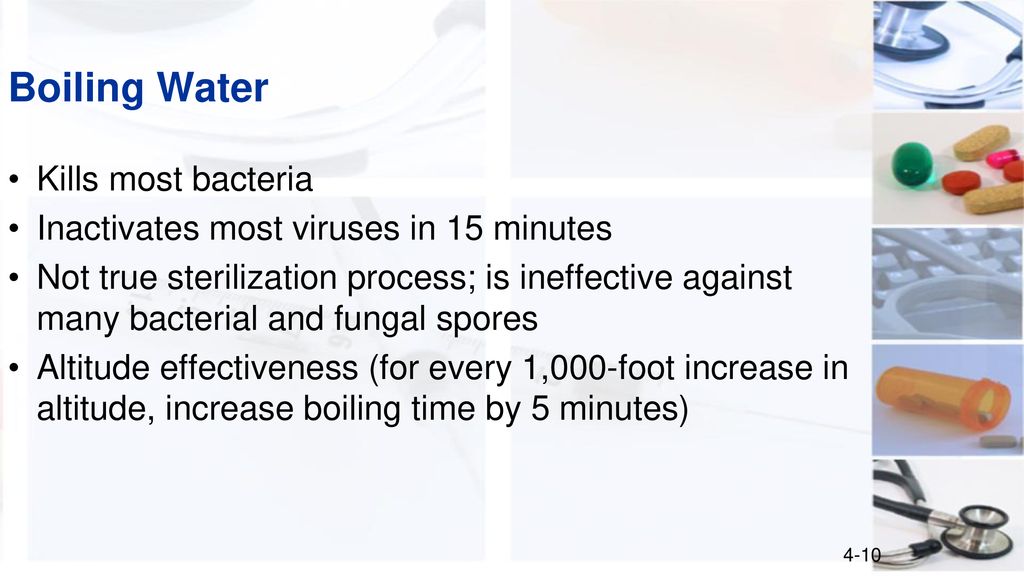
Boiling doesn’t kill instantly. It’s a slow dance. Most common water bugs (like E. coli) die within seconds at 160°F. But boiling ensures all of them are toasted.
Here’s a fun detail: pasteurization—used for milk—doesn’t boil. It heats to 161°F for 15 seconds. Boiling is overkill for milk, but it’s a surefire way to kill most germs in water.
But remember: boiling doesn’t remove chemicals. Lead, pesticides, or microplastics? They’re still there, having a pool party. Boil for bacteria, not for pollutants.
Why you shouldn’t trust a “clean” pot
You boiled your water. Great. But what about the spoon you stir with? Or the rim of your cup? Bacteria love surfaces. A clean boil means nothing if you dip a dirty ladle in.
And here’s a grim chuckle: biofilms. Bacteria clump together in slimy communities. They stick to kettle walls. Boiling can kill surface bugs, but not the thick, gooey biofilm underneath. Yuck.
So scrub that kettle sometimes. Your future tea-loving self will thank you.
エンタメ・カルチャー業界の深掘り取材を得意とし、現場のリアルな声をお伝えします。
