Advanced Deionized Water Filtration Units for Quality Control
 著者: 小林 直樹
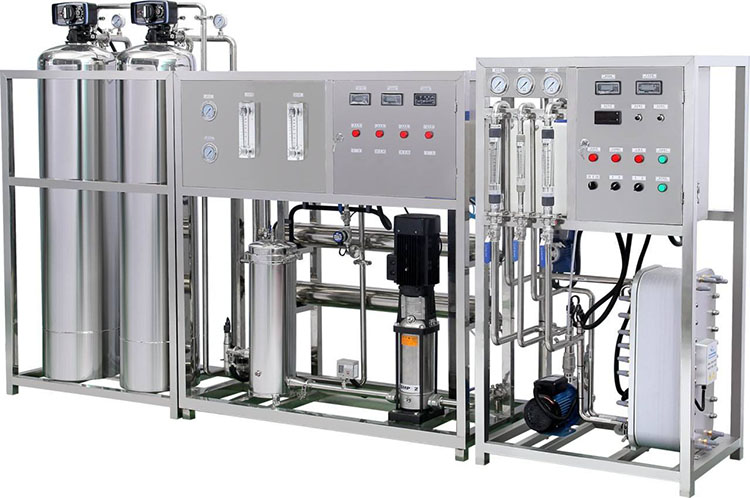
Relax, nobody is removing your ions. Deionization (or DI) is the art of stripping water of every single charged particle. Imagine a vacuum cleaner for electricity. The water passes through special resin beads that act like tiny, angry bouncers at a club: they grab onto calcium, magnesium, copper, and sodium, and toss them out. The result? Water that is so dead that it literally cannot conduct electricity. Yes, you could theoretically dip a live toaster in it and survive. Do not try that at home. I know you’re tempted, but please, just read on.
Why Do We Need Water This Clean? For the Love of Science!
You might be thinking, “I’m not a lab rat. I’m just a person who wants to hydrate.” That’s fair. But here’s a surprising fact: deionized water is cleaner than rainwater. Rainwater is basically nature’s recycled bathwater—full of dust, bacteria, and airplane poop. Gross, right? DI water is so pure that it actually wants to steal minerals from your body. If you only drank this stuff, your teeth would start begging for mercy. So we don’t usually drink it. Instead, we use it to wash the things we do trust with our lives. Computer chips. Car engines. Contact lenses. The machine that makes your soda fizzy. One speck of calcium in a soda can, and your cola turns into a chalky nightmare. God forbid.
Now, let’s talk about the advanced part. These aren’t your grandpa’s water softeners. Modern DI units are tyrannically precise. They measure purity in “megohms.” That’s a unit of resistance. Tap water? Maybe 0.1 megohms. Deionized water? We’re talking 18.2 megohms. That’s so clean that if you dropped a single grain of salt into a swimming pool of this water, the machine would scream. It would literally beep at you in a disappointed mother tone. “You spilled the salt, Kevin. Start over.”
シンプルで洗練された住まいづくりとインテリアコーディネートのアイデアを提案しています。
