Which Country Financed Columbus's Voyage Across the Atlantic in 1492
 著者: 前田 葵
Let’s get into the numbers, because this is where it gets surprisingly relatable. The total cost of Columbus’s first voyage was roughly 2 million maravedís (the Spanish currency at the time).
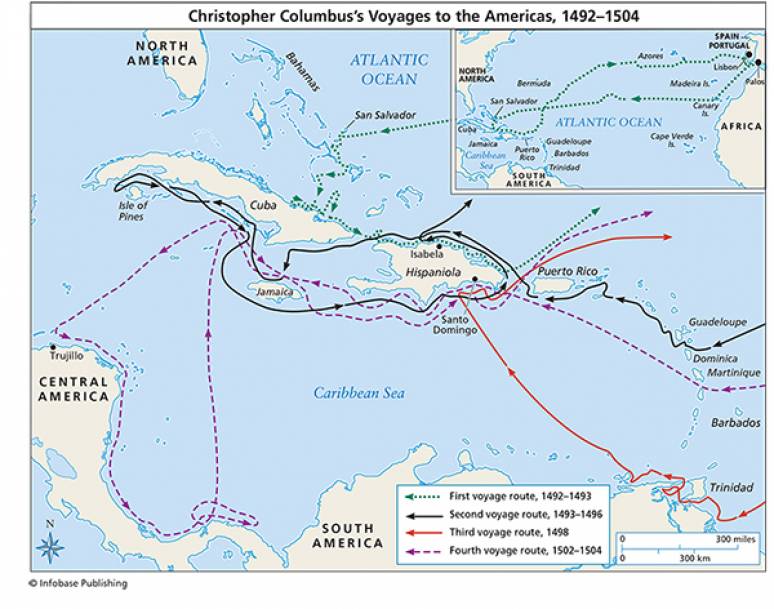
Christopher Columbus World Map
To put that in perspective: a skilled sailor earned about 1,000 maravedís a year. So, the expedition cost about 2,000 years of a sailor’s salary. That’s a serious investment, even for a queen.
Here’s a quick breakdown of where the money went: 60% went to outfitting the ships (the Niña, Pinta, and Santa María). 20% went to salaries and provisions for the crew of about 90 men. The remaining 20% covered bribes, port fees, and emergency supplies like extra sails and rum.
Practical Tips from the 15th-Century Venture Capitalist
What can we learn from Isabella’s financing strategy? First, don’t go it alone. She used public funds (the Santa Hermandad) and private loans. That’s like using a mix of a grant and a small business loan today.
Second, she aligned incentives. Columbus was promised 10% of all profits from the lands he discovered, plus the title “Admiral of the Ocean Sea.” That’s a killer equity package. If you’re funding a creative project or a startup, think about how to offer a slice of the future upside.
Finally, she ignored the naysayers. Every expert panel told her Columbus’s math was wrong (and it was—he underestimated the Earth’s circumference by 25%). But she bet on the vision, not the spreadsheet. Sometimes, you have to trust the hustle.
マーケティングと消費者心理のトレンドを分析し、現代のヒット商品の背景を読み解きます。
