What Is the Difference Between Rib Roast and Prime Rib
 著者: 佐々木 一輝
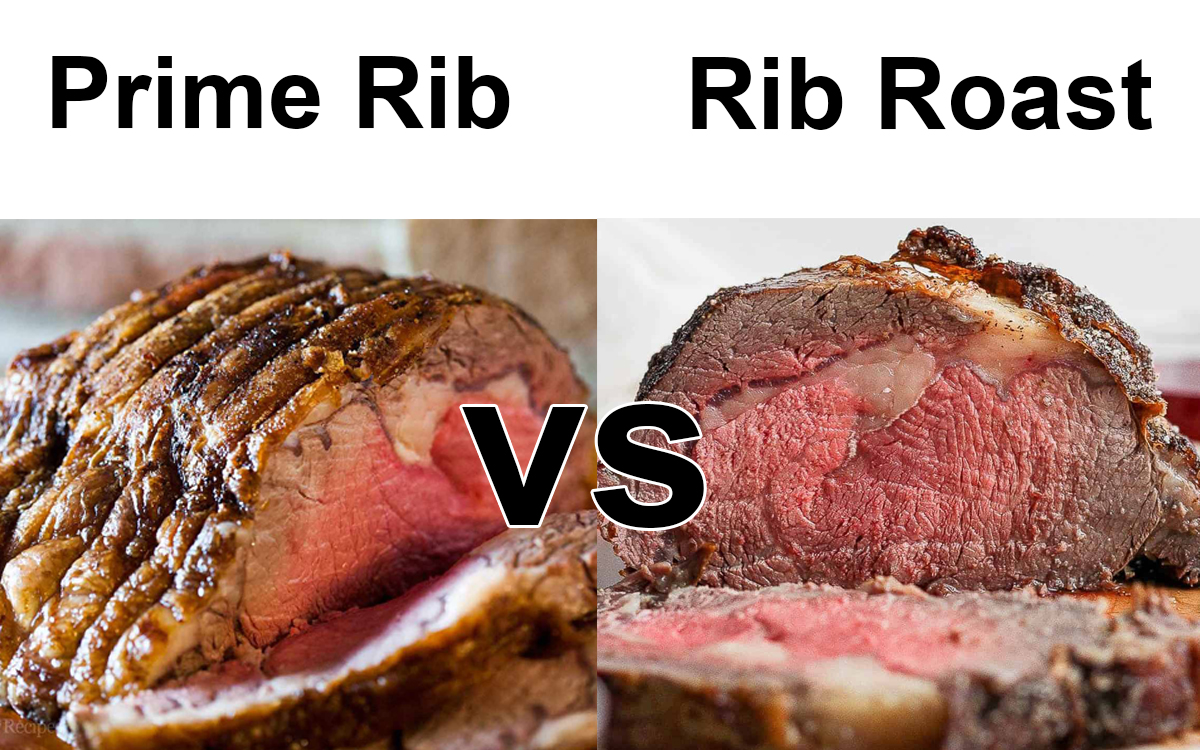
Here’s the practical takeaway: if you’re hosting a holiday or a birthday and you want to impress people, you want Prime Rib. You want the whole show—the bone, the crust, the juicy pink center. But if you just want a really good roast beef for sandwiches or a Sunday dinner, a simple Rib Roast (boneless, maybe) is totally fine and often cheaper.
The price tag is a big clue, too. Prime Rib will cost you a pretty penny because it’s often from a higher grade of beef (like USDA Prime) and it’s been prepped with care. A standard Rib Roast can be USDA Choice, which is still excellent but more wallet-friendly. Don’t let a fancy name scare you—a well-cooked Choice rib roast can be just as delicious as an expensive Prime Rib if you handle it right.
The Golden Rule
If you’re at a restaurant and see "Prime Rib" on the menu, you’re paying for the experience—the carving cart, the horseradish, the au jus. If you see "Roasted Ribeye" or "Rib Roast," it’s likely a similar cut but served differently. At home, you can turn any bone-in rib roast into Prime Rib by following a simple recipe: salt it a day ahead, roast it at 225°F (107°C) until the internal temp hits 120°F (49°C), let it rest for 45 minutes, then blast it at 500°F (260°C) for 15 minutes. That’s the magic.
So next time you’re at the store, don’t panic. Just remember: a Rib Roast is the cow’s best-kept secret, and Prime Rib is that secret wearing a crown. Both are wonderful, but one is for Tuesday night, and the other is for that dinner party. Pick your moment, cook it with love, and no one will care what you call it—they’ll just ask for seconds.
Webメディアでの編集・執筆歴10年。読者の好奇心を刺激するストーリー作りを心がけています。
