Does Reverse Osmosis System Remove Pfas
 著者: 加藤 愛美
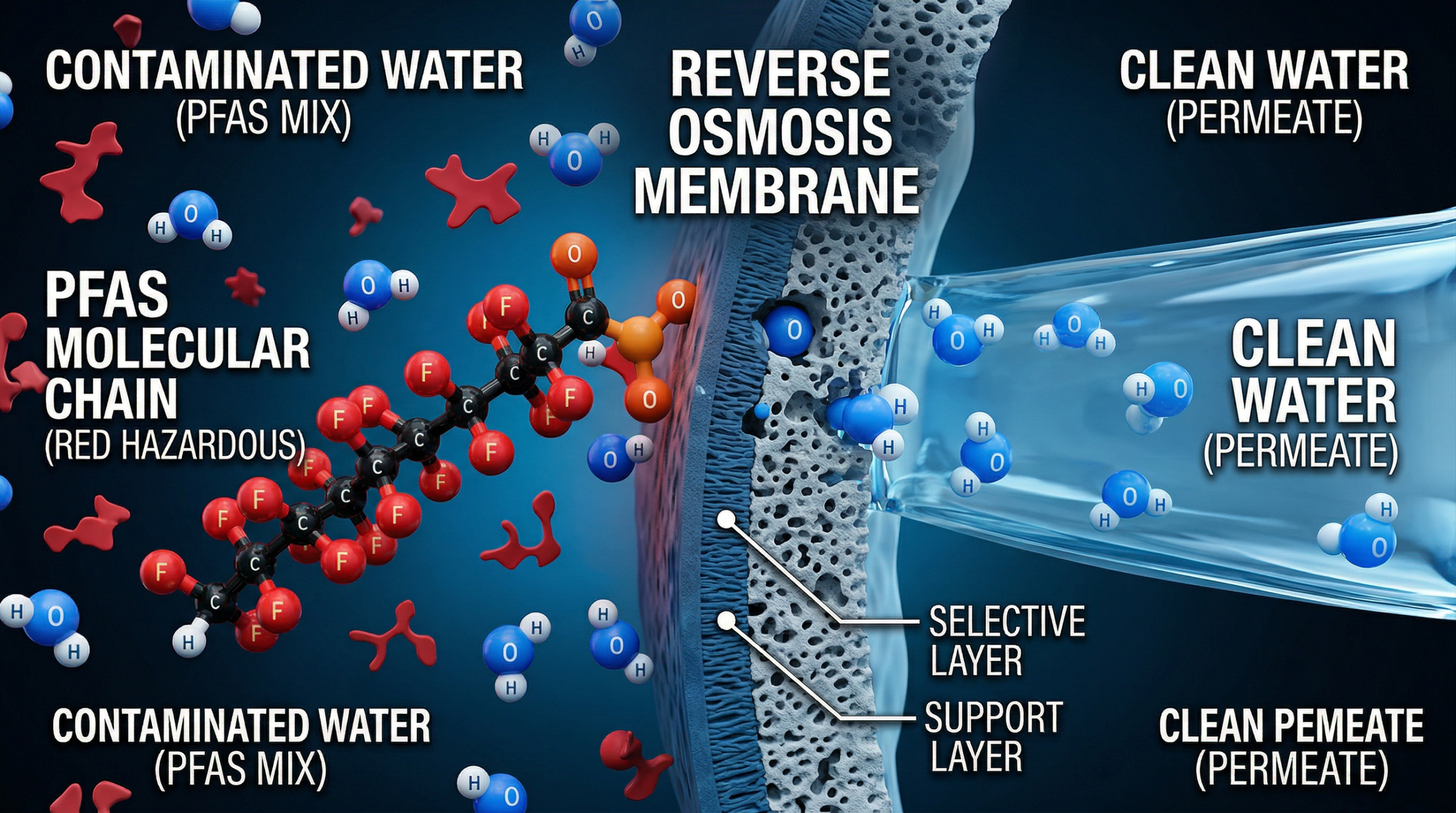
PFAS are hydrophilic and lipophilic, meaning they love water and fat. It’s like they have split personalities. This makes them extra tricky because they cling to everything.
Here’s a wild fact: some PFAS are so small that they can pass through standard filters like a ninja. But RO membranes have pores that are 0.0001 microns wide. That’s 1/100,000th the width of a human hair. A PFAS molecule is like a beach ball trying to squeeze through a keyhole—it doesn’t fit.
So yes, RO is the best bet. But don’t trust a filter that says “PFAS reduced” without third-party testing. Look for the NSF/ANSI 53 or 58 certification. It’s like a stamp of approval from the “Water Police.”
マーケティングと消費者心理のトレンドを分析し、現代のヒット商品の背景を読み解きます。
