Pastry Flour vs All Purpose Flour
 著者: 高橋 健太
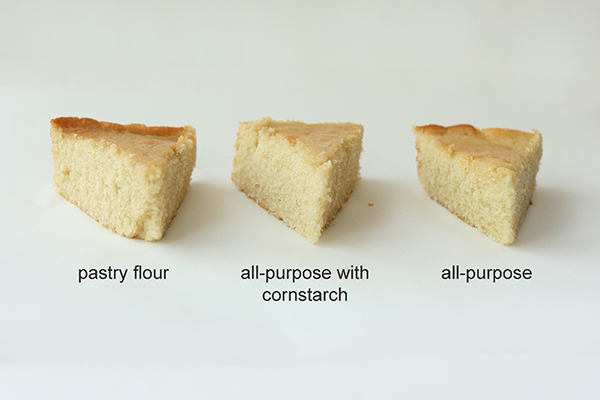
So, what sets these two flours apart? It all comes down to protein content. All-purpose flour has a higher protein content, which makes it perfect for bread and other yeast-based goodies. On the other hand, pastry flour has a lower protein content, making it ideal for tender, flaky crusts and delicate layers. Think of it like a sports team - too much protein and you get a tough, chewy texture, but just the right amount and you get a perfectly balanced pastry.
But, why does protein content matter so much? Well, when flour contains more protein, it produces more gluten, which can make your baked goods tough and dense. And, let's be real, who wants a tough pastry? It's like eating a shoe - not exactly what you're going for. Pastry flour, with its lower protein content, helps to prevent this from happening, resulting in a tender, flaky crust that's just perfect.
Now, you might be wondering, can't I just use all-purpose flour and add some extra cornstarch or tapioca flour to reduce the protein content? Well, technically, yes, you can. But, it's not quite the same as using pastry flour from the get-go. It's like trying to make a sports car by adding extra features to a family sedan - it's just not designed for that purpose.
Which Flour Is Best? | The Cake Blog
Webメディアでの編集・執筆歴10年。読者の好奇心を刺激するストーリー作りを心がけています。
