How Much Water Does a Reverse Osmosis System Waste
 著者: 山本 拓海
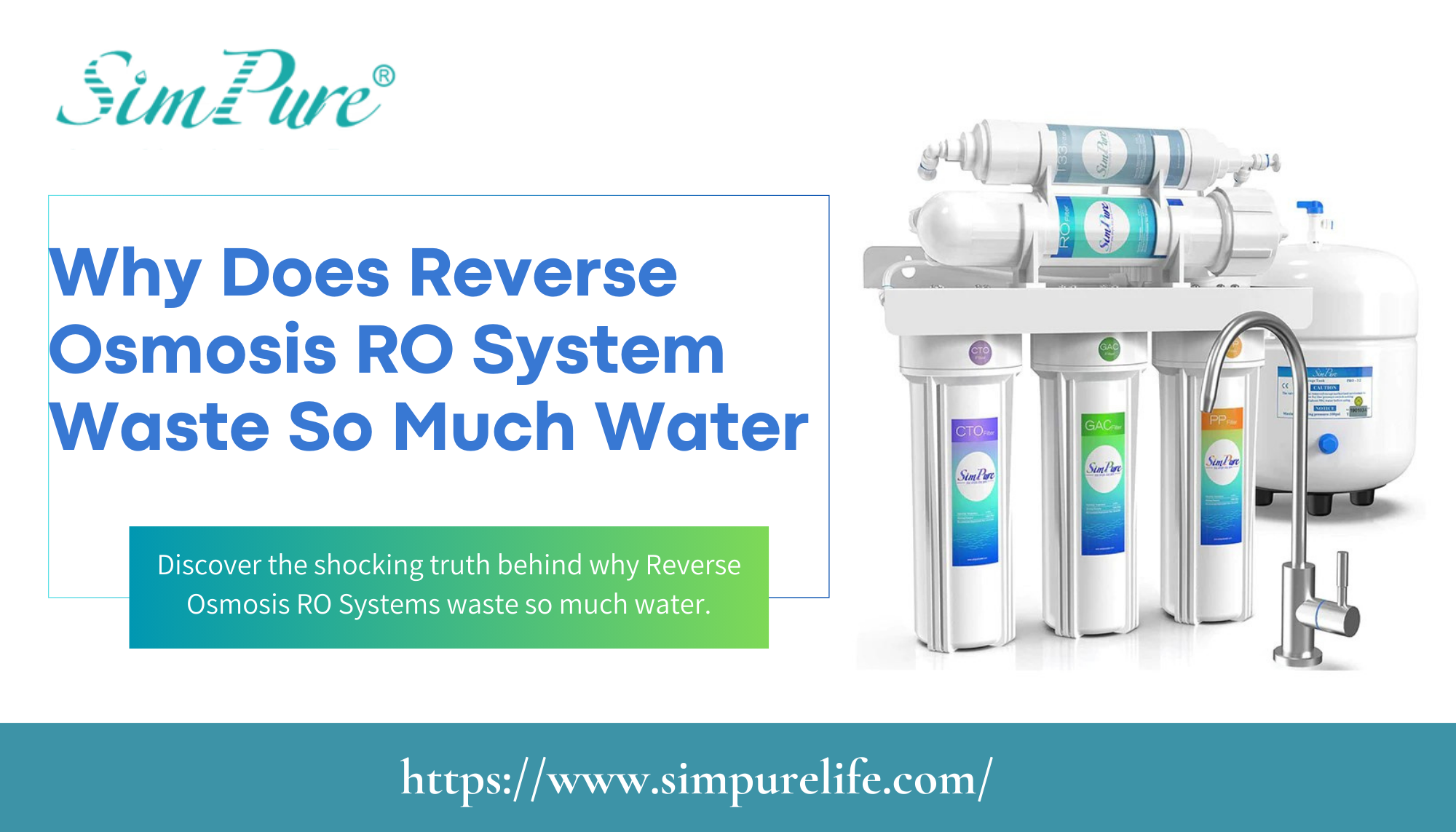
Okay, spoiler alert: RO systems do send a bit of water down the drain. It’s not a perfect machine—it’s more like a picky eater at a buffet. For every gallon of pristine water it makes, it might push two, three, or even four gallons away as “reject” water.
That sounds terrible, right? Like your faucet is secretly running a marathon without you. But hold your horses—or your plumbing—because the reality is way less dramatic than the internet makes it seem. Think of it as a tiny, necessary sacrifice for water so pure it could audition for a sci-fi movie.
Why Does It “Waste” Water, Anyway?
Here’s the nerdy bit (don’t worry, I’ll keep it fun). Your RO system works like a super-strict bouncer at a club. It shoves tap water through a special membrane that only lets H₂O molecules through—but it leaves behind all the party crashers like lead, chlorine, and fluoride.
To keep that bouncer from getting clogged, it needs a constant flush of water to wash those crashers away. That flush water? Yep, it goes down the drain. It’s not actually wasted in the “I threw money away” sense—it’s more like the rinse cycle on your washing machine.
デジタルガジェットとスマート家電の検証記事を多数執筆。失敗しないモノ選びを提案します。
